Lessons
Meet the cello
Before you decide to learn it, let me introduce you properly — what this instrument is, why it feels the way it does, and how lessons with me work.
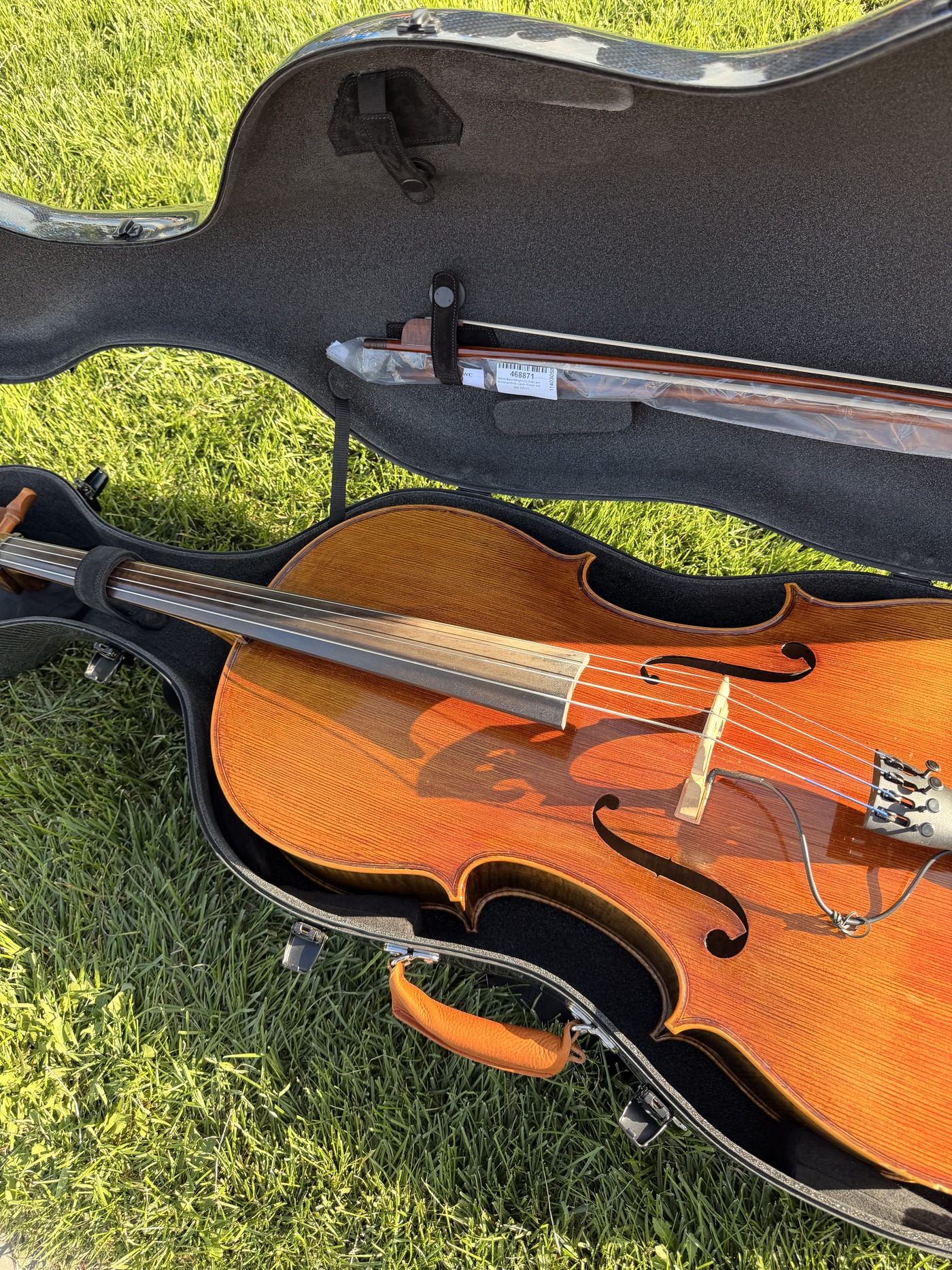
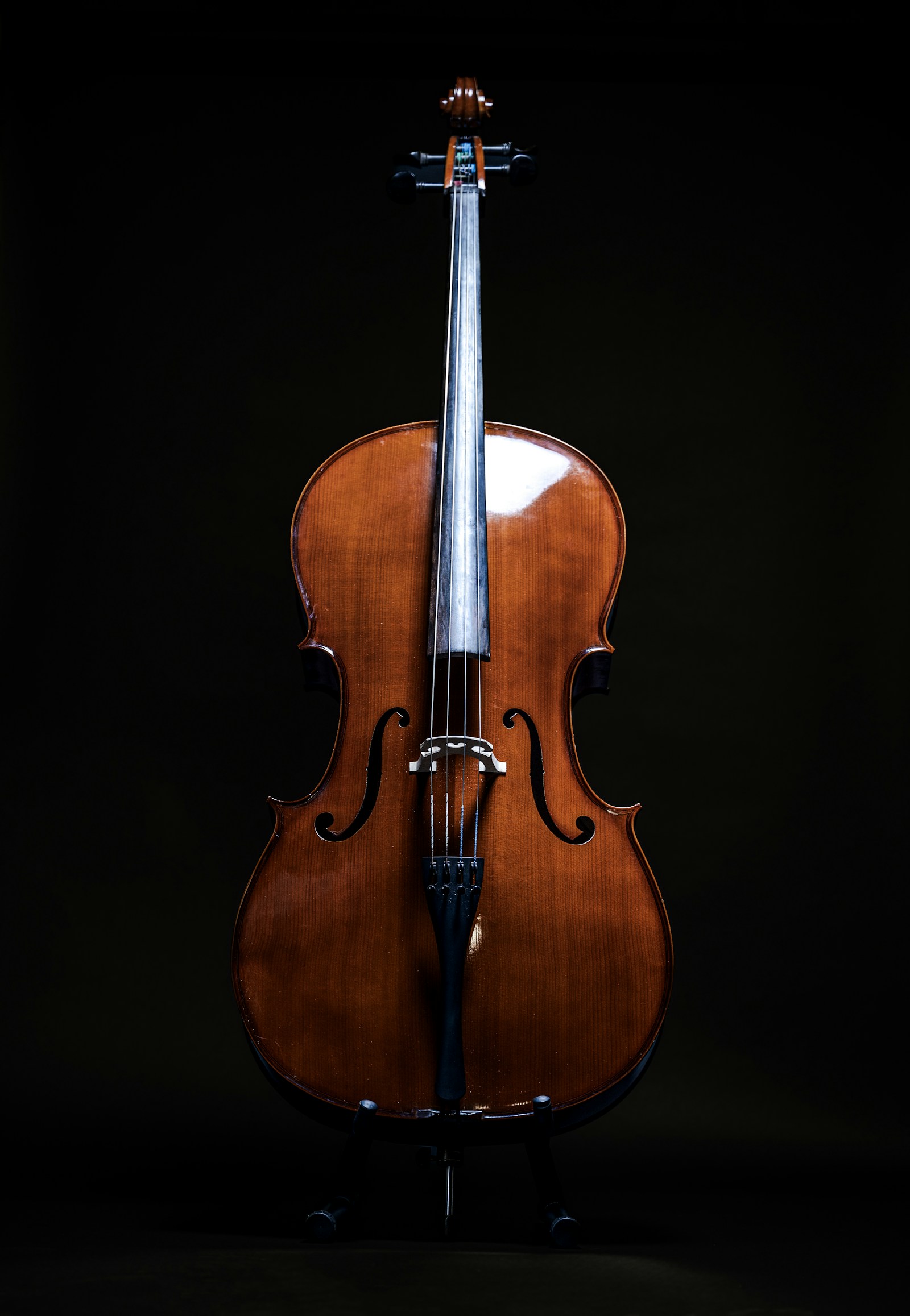
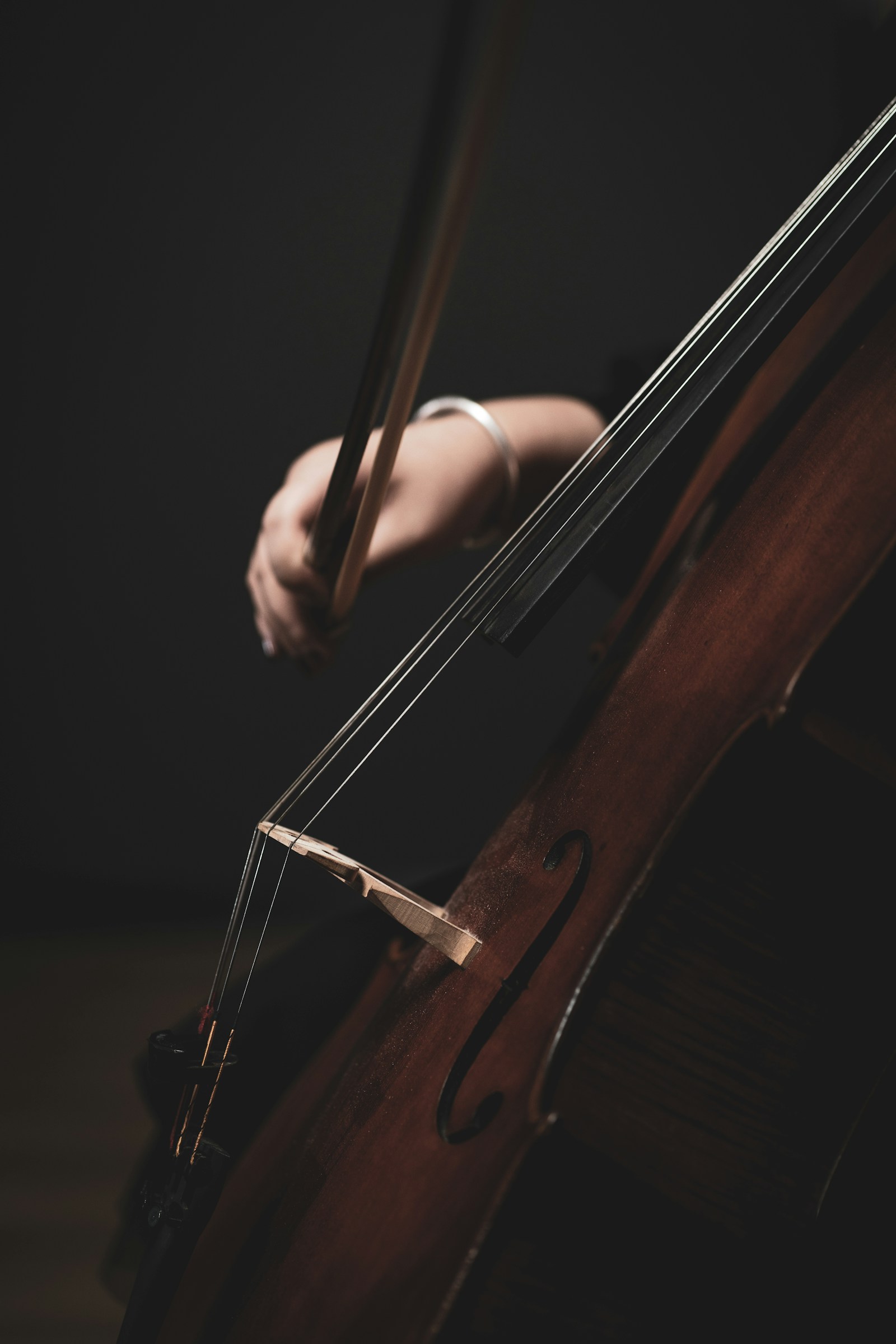
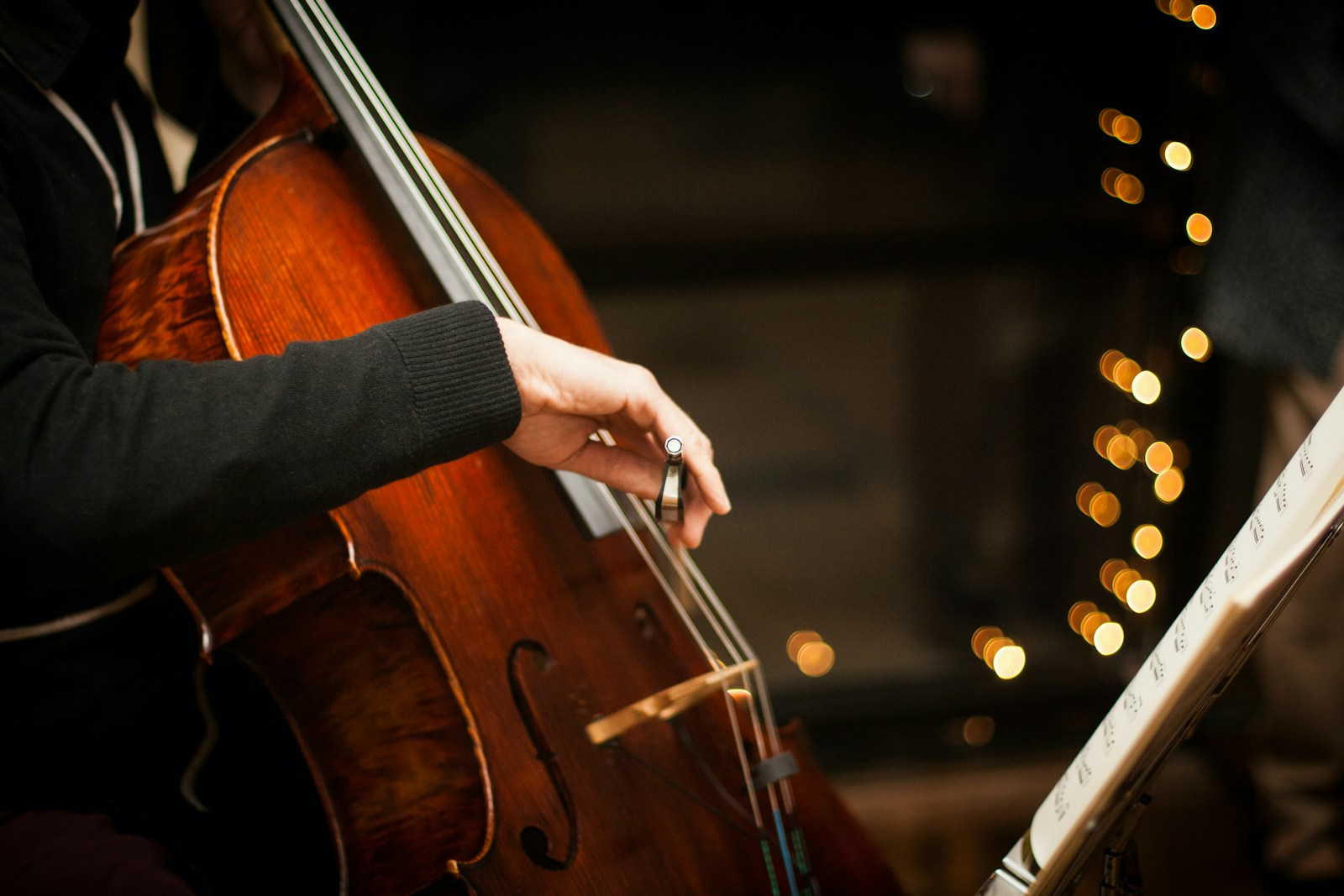
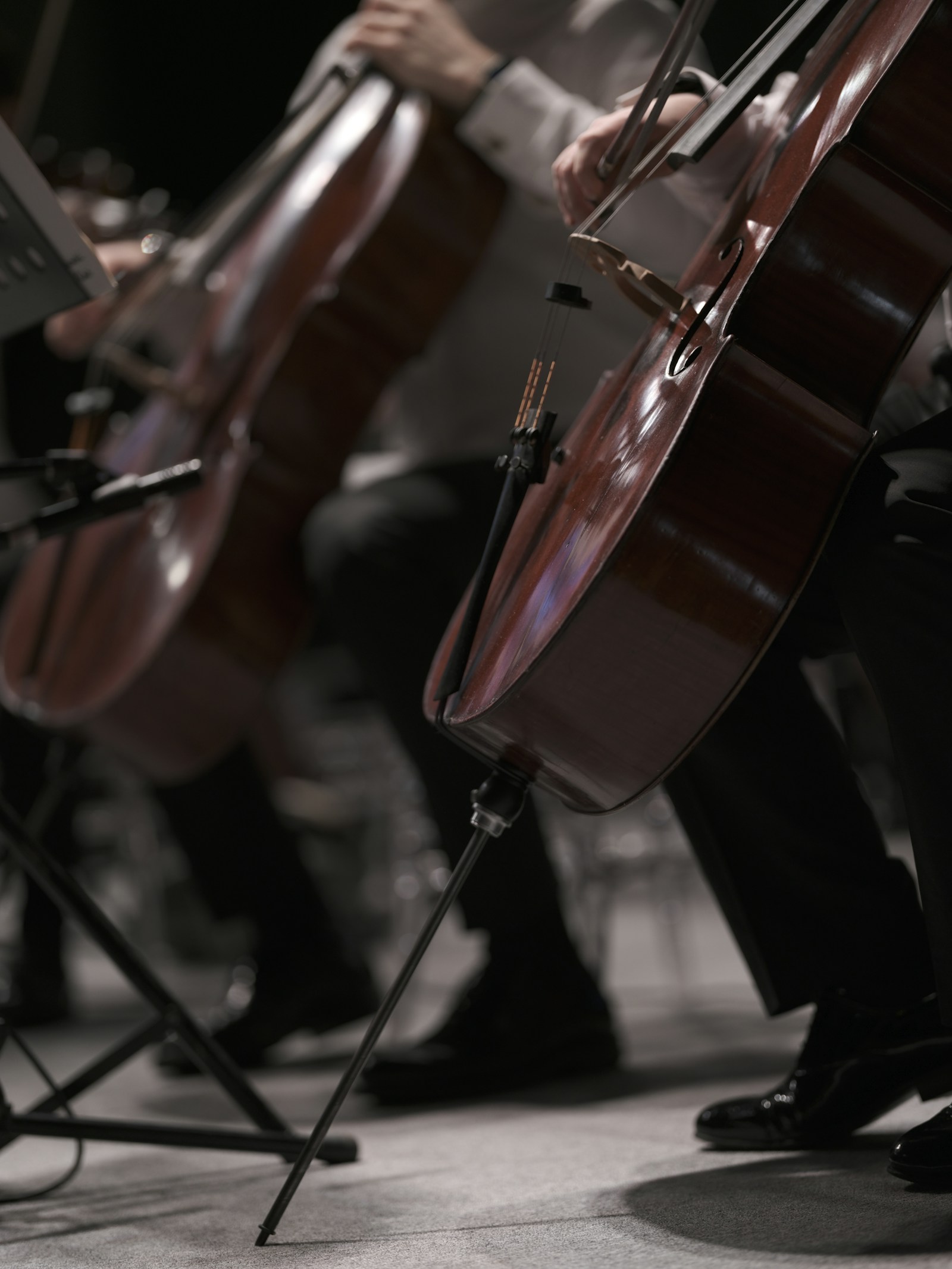
Photo 1 of 5: Yaroslav's own cello lying in its open case on grass, the bow beside it
What is a cello?
The cello is the warm, low voice of the violin family. You don't hold it up — you sit with it, lean it against you, and feel every note through the wood. Its full name is violoncello, and its shape has barely changed in three hundred years: a curved wooden body, a long fingerboard, and four strings played with a bow.
What makes it special is where it sings. The cello's range sits almost exactly where the human voice lives — it reaches nearly as low as a double bass and, up high, close to a violin. That's why a cello melody feels less like an instrument and more like someone singing to you, and why film composers reach for it when a scene really matters.
The voice
Its range overlaps the human voice, so melodies feel sung rather than played.
Four strings
C · G · D · A, tuned in fifths — bowed for long singing lines, or plucked like a guitar.
Comfortable from day one
You play seated, with the cello resting against you. No sore neck, no awkward hold.
Can I learn it?
Yes. You don't need talent, a musical family, or the "right" age — you need ten focused minutes a day and a teacher who meets you where you are.
Kids
From about age six, on smaller-sized cellos that grow with them. Lessons are short, playful, and built around real songs.
Teens
Whether it's school orchestra, film music, or covers of what's in their headphones — we build technique through music they actually like.
Adults starting fresh
My favourite students to teach. Adults practice with intent and progress faster than they expect. It is not too late.
Returning players
Played years ago and stopped? It comes back quicker than you think — we rebuild comfort first, then pick up where you left off.
How lessons work
We meet
One-to-one, in person in British Columbia or online. First lesson: meet the instrument, find a comfortable posture, make your first real sounds.
We build
Technique grows through music you want to play — classical, film scores, songs you love — not through drills for their own sake.
You play
You'll play something real from the very first week. Small wins every lesson, a piece you're proud of sooner than you'd guess.
One more thing — don't buy a cello yet. Sizes matter (children play smaller instruments, from about age six up), and a bad first instrument makes everything harder. Sign up first, and I'll help you rent or choose the right one.
Ready to try?
One short form, and I'll reply personally with times and next steps — usually within a day or two.
Prefer to ask something first? Email or call me — my details are in the footer.